Your skin looks tired even after a good night's sleep. Makeup settles into fine lines by lunchtime. Your cheeks have lost a little of their bounce, and your skin feels thinner than it used to. None of this calls for filler or a new face. It is your skin itself asking for some help, and that is exactly what Seoul clinics use skin boosters for.
Walk into almost any dermatology clinic in Seoul and the menu will have a section called skin boosters: Rejuran, Re2O, Skinvive, Juvelook, the "Chanel injection." The names are everywhere, and they are not the same thing. Here is a plain guide, starting with your skin, then the five main types and what to ask before you book.
What Is a Skin Booster?
"Skin booster" is not one product. It is a group of treatments that are injected to improve the skin itself: how hydrated, smooth, firm and glowy it looks. Think of it as skincare that goes under the surface instead of on top. The doctor places very small amounts just under the skin, usually as many tiny injections across the face.
It helps to know what skin boosters are not:
- They are not fillers. They are not designed to add volume or reshape your features.
- They are not muscle relaxers. They do not soften expression the way botulinum toxin does.
- They are not instant. Changes are usually described as gradual, building over a course of sessions.
That is why skin boosters are so popular in Korea. The goal is skin that looks healthy and rested, not a face that looks "done."
Start With Your Skin
Most women do not walk into a clinic asking for a product by name. They walk in with a concern. Here are some of the most common ones, and the type of skin booster clinics often talk about for each. Tap a type to read more about it.
| If your skin… | Clinics often talk about |
|---|---|
| Looks dull, dry or tired | Hydration boosters (Skinvive, Profhilo) |
| Has rough texture, redness or old acne marks | Repair boosters (Rejuran) |
| Feels thin, fragile or easily irritated | Skin framework boosters (Re2O) |
| Has lost firmness, and you would like to see a change sooner | Collagen boosters (Laetigen) |
| Is starting to lose firmness, and you are happy to wait for gradual change | Collagen builders (Juvelook) |
This is a general guide to how clinics describe these treatments, not a recommendation. Which product is right for your skin is decided by the treating doctor after seeing you.
The Main Types of Skin Boosters
Clinic menus can look confusing, but most skin boosters fall into a few groups depending on what they are made of. Each group does a slightly different job.
| Type | Names you may see | Mainly used for |
|---|---|---|
| Hydration (hyaluronic acid) | Profhilo, Skinvive, Restylane Vital, "Chanel injection" | Hydration, glow, fine dryness lines |
| Repair (salmon DNA, called PN) | Rejuran Healer, HB, i (Eye), S | Texture, elasticity, calming the skin, scars |
| Skin framework | Re2O (also spelled Lituo or Rituo) | Skin barrier, thin or fragile skin, dull tone |
| Collagen | Laetigen (also written Retigen) | Thin skin, density, elasticity |
| Collagen builders | Juvelook, Juvelook Volume | Firmness, texture, gradual collagen support |
Product names and formulas change, and not every clinic carries every brand. Your clinic can show you the exact product before treatment.
Hydration boosters (hyaluronic acid)
If dryness, dullness or a tired look is your main concern, this is the type clinics usually start with. Hyaluronic acid is something your skin already makes. It acts like a sponge, holding on to water, and we naturally have less of it as we get older. A hydration booster puts tiny amounts back across the face, so the skin looks plumper, softer and dewier. Profhilo is known for being placed in just a few points on each side of the face and spreading out on its own. The "Chanel injection" is just a Korean nickname for a hydration booster mixed with vitamins and other nutrients for the skin. Hydration boosters are often a popular choice for a first skin booster.
Repair boosters (Rejuran)
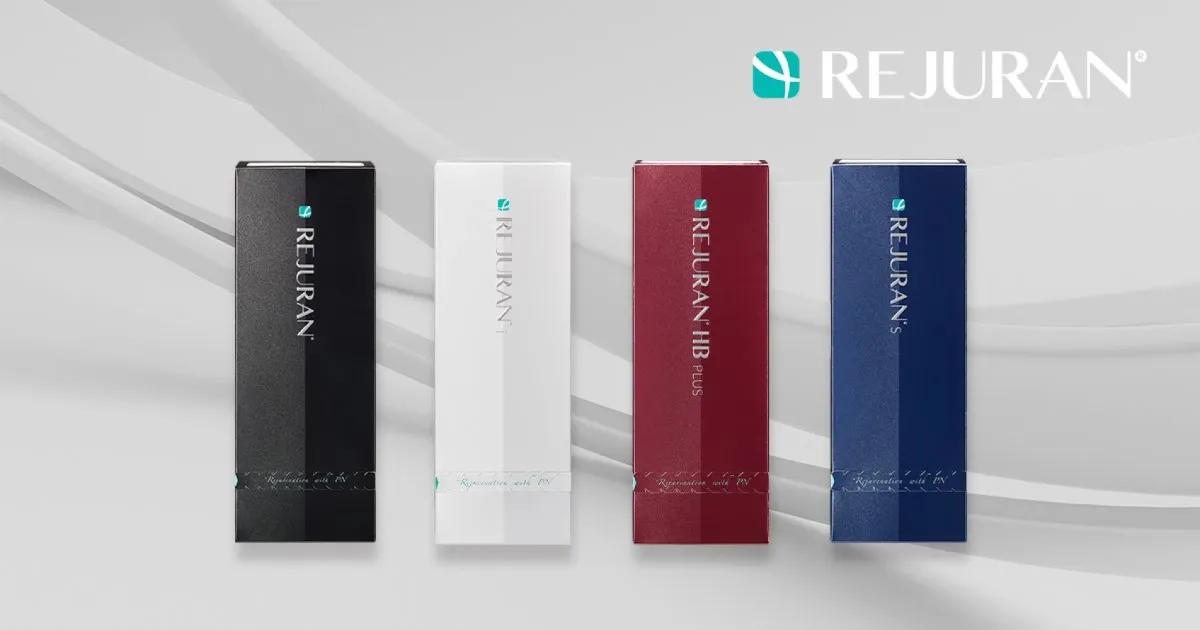
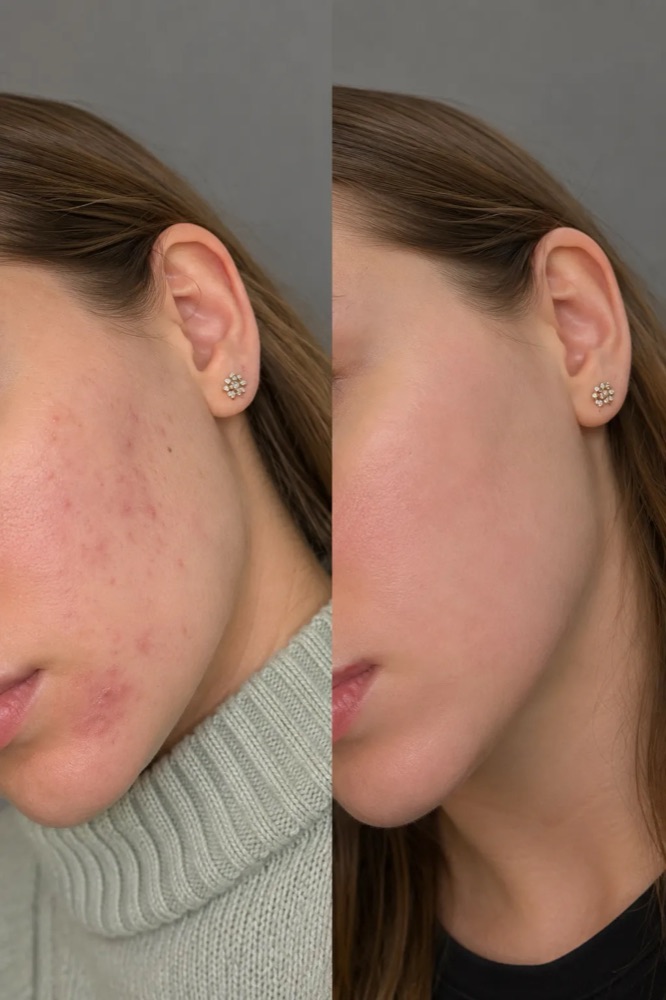
If your skin feels rough, looks red, or still shows old acne marks, clinics often talk about repair boosters. Rejuran is made from purified salmon DNA (on clinic menus you may see it called PN, short for polynucleotide). That is why Koreans call it the "salmon injection." In plain words, it helps the skin repair itself, so clinics use it for rough texture, loss of bounce, redness and a more even complexion. Rejuran comes in four versions, each in its own colour box. We explain each one in Rejuran Salmon DNA Injection: The Four Types Explained.
Skin framework boosters (Re2O)
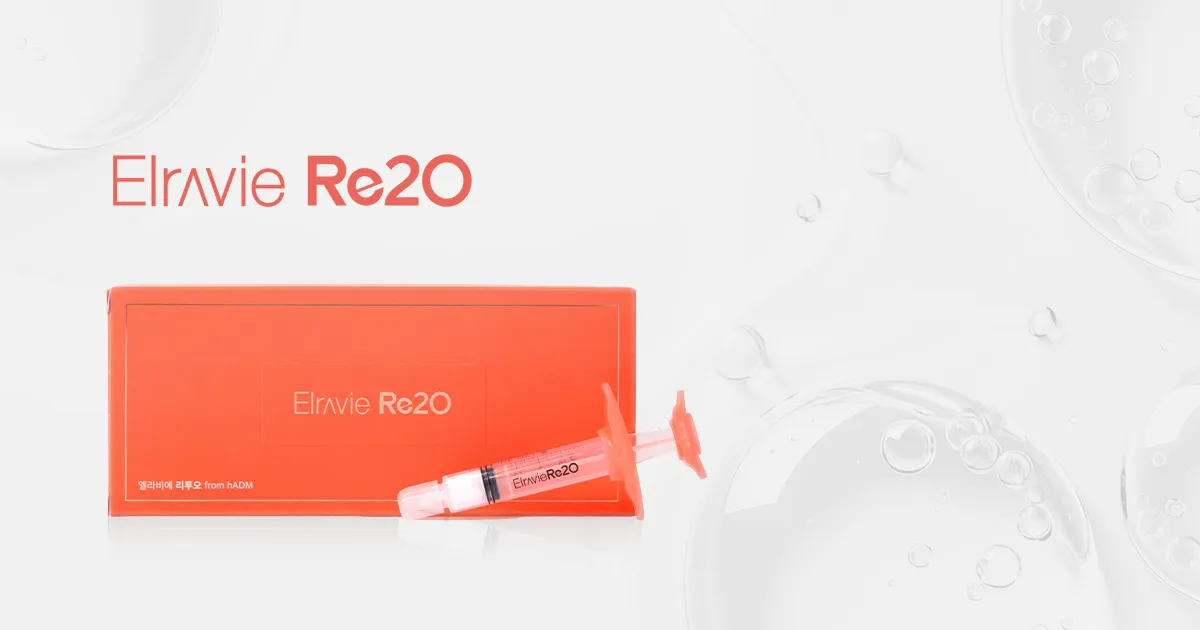
If your skin feels thin, fragile or easily irritated, you may hear about this newer type. Re2O, by the Korean brand Elravie, is one of the newer boosters on Seoul clinic menus, and you may see it written as Lituo or Rituo, which is the Korean pronunciation. Here is the part most people do not know: it is made from donated human skin. The tissue is cleaned so that no cells are left, only the framework that holds skin together (collagen and elastin, the parts that keep skin firm and springy). Clinics use it to strengthen the skin barrier, which is the outer layer that keeps moisture in and irritation out, and for thin, fragile or easily irritated skin. Some clinics mix it with PRF, a concentrate made from a small sample of your own blood. If you would prefer to avoid human derived products for any reason, mention it at your consultation.
Collagen boosters (Laetigen or Retigen)
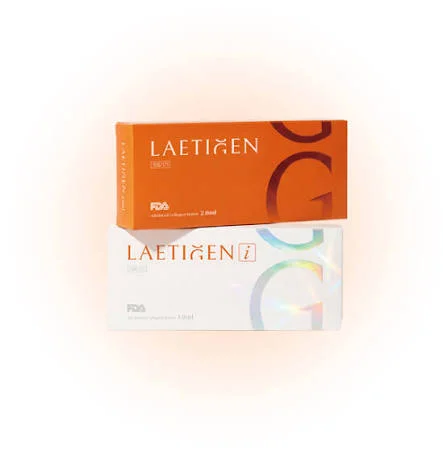
If your skin has lost firmness and you would like to see a change sooner, clinics may talk about a collagen booster. Collagen is what keeps skin thick and firm, and we lose it with age. Laetigen (also written Retigen) is purified collagen that is placed directly into the skin. This is the big difference from Juvelook, further down: Juvelook asks your skin to make its own collagen over a few months, while Laetigen adds collagen straight away. Because of that, some women notice smoother, plumper looking skin sooner. Your body slowly absorbs the added collagen over time, and clinics say it also encourages your skin to make some of its own, which is why they usually suggest two or three sessions about four weeks apart. Clinics use it for thin skin, fine lines, and skin that has lost its firmness and bounce.
Collagen builders (Juvelook)
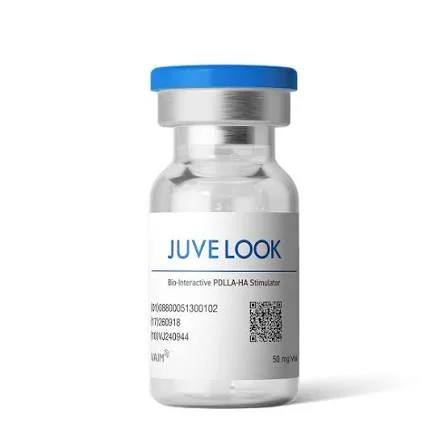
If your skin is starting to lose firmness and you are happy to wait for a gradual change, this is the slower, build it yourself option. Juvelook contains PDLLA, a material your body slowly dissolves, in the same family as dissolvable stitches. As it breaks down over a few months, it prompts your skin to make more of its own collagen. It also contains some hyaluronic acid for hydration. So instead of adding collagen, it gets your skin to make its own. That is why changes show up slowly, over weeks to months rather than days. Juvelook Volume is a thicker version that some clinics use where a little more support is wanted.
Why Clinics Layer Several Boosters
A Seoul treatment plan often lists two or three skin boosters together rather than just one. Clinics describe this as giving each product its own job. A typical combination might look like this:
- A repair layer, such as Re2O, to strengthen and calm the skin.
- A structure layer, such as Laetigen, to thicken thin skin.
- A hydration layer, such as Skinvive, for smoothness and glow.
Whether you need one, two or all three is a question for the doctor at your consultation. It is worth asking what each product in a combination is there to do, and what changes if one is left out.
How Skin Boosters Are Given
The same product can be given in different ways, and clinics in Seoul usually list the method next to the product:
- By hand: the doctor makes many small injections with a fine needle. This allows careful placement around delicate areas.
- By machine: a device with several tiny needles places small, even amounts across the face quickly. Clinics often list these by the machine's name.
- By cannula: a cannula is a thin, flexible tube with a rounded tip instead of a sharp needle. The doctor slides it under the skin to spread the product from just a few entry points, which some people find more comfortable.
Which method is used is decided by the treating doctor, based on the product and your skin.
What the Treatment Is Like
- Before: numbing cream is usually applied for 30 to 40 minutes.
- During: the injecting itself often takes around 15 to 30 minutes.
- After: small raised bumps, redness and the occasional bruise are common, usually settling within one to three days. Thicker products can take a little longer.
- Sessions: clinics commonly suggest a course of two to four sessions, a few weeks apart, then maintenance. Your doctor will suggest what suits your skin.
Why Women Plan Skin Boosters Into a Seoul Trip
- Choice. Seoul clinics often carry several skin booster brands side by side, so you can discuss the options with a dermatologist in one visit.
- Experience. Skin boosters are an everyday treatment in Korean dermatology clinics, and many doctors perform them daily.
- Pairing. Skin boosters are often combined with other skin treatments on the same visit. We explain how clinics approach this in Stacking Skincare Treatments in Korea.
Planning Skin Boosters Into Your Trip
- Book it early in your stay. That gives any bumps or bruising time to settle before photos, dinners and your flight home.
- Keep the rest of the day gentle. Clinics usually suggest skipping saunas, steam rooms and heavy makeup for a day or so.
- Plan the bathhouse for another day. If a jjimjilbang is on your list, keep it away from your treatment day.
- Think about the full course. On a one week trip there is usually time for one session. Ask your clinic how they would plan the rest, whether on a return visit or with a qualified provider at home.
Before You Consider a Skin Booster
- Share your full medical history with the clinic, including medications, allergies, pregnancy or breastfeeding, and any skin conditions.
- Mention any fish or salmon allergy if a polynucleotide booster such as Rejuran is being discussed.
- Products are regulated differently in each country. If you have questions about a product, it is worth speaking with your own doctor at home before you travel.
- The doctor chooses the product. Which skin booster is right for you is a medical decision made by the treating doctor after seeing your skin.
Questions to Ask at Your Clinic
- Which skin booster do you recommend for my skin, and why?
- If you suggest more than one, what is each one for?
- What is the product made from?
- Can I see the box and vial before the treatment?
- How much product (how many cc) is included in the price you quoted?
- Will it be given by hand, by device or by cannula?
- Will the doctor perform the treatment personally?
- How many sessions do you suggest, and how would that work around my trip?
The Bottom Line
Skin boosters are a family of treatments, not a single product. Some hydrate (Skinvive), some help the skin repair itself (Rejuran, Re2O), and some build up collagen for firmer, thicker skin (Laetigen, Juvelook). Knowing the difference means you can read a Seoul clinic menu with confidence and ask better questions in your consultation.
Keep reading: Rejuran Salmon DNA Injection: The Four Types Explained, or The Treatments Behind Korea's Glass Skin Standard.